
Chain of Custody: Why Documentation Protects Your Shipment
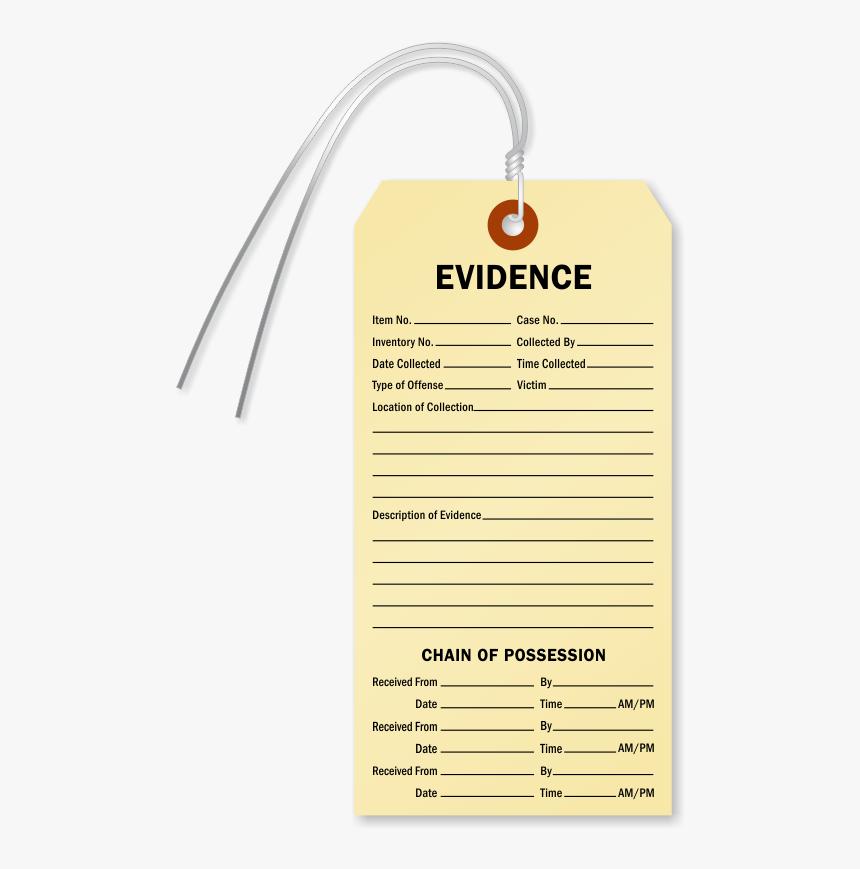
In high-value transport operations, documentation is as critical as physical security. Organizations often focus heavily on visible protective measures such as escorts, GPS tracking, or secure vehicles. While these safeguards are important, they must be supported by disciplined documentation practices to ensure complete accountability throughout the shipment process. Chain of custody refers to the structured tracking of a shipment from origin through final delivery, including every transfer of responsibility along the route.
A properly maintained chain of custody establishes a clear record of who handled the cargo, when custody changed hands, and the condition of the shipment at each stage of transit. This record creates transparency across logistics providers, security personnel, and receiving parties. In complex supply chains where multiple individuals and organizations may interact with a shipment, consistent documentation ensures that responsibility is clearly defined at every point in the process.
Every transfer point introduces potential exposure. Shipments may move between warehouses, vehicles, drivers, or security teams before reaching their final destination. Without documented verification of each transfer, it becomes difficult to determine where a problem occurred if a shipment is delayed, damaged, or lost. Clear records create accountability, reduce ambiguity, and allow organizations to identify irregularities quickly.
Effective chain-of-custody procedures typically include time-stamped transfer logs, condition verification reports, personnel identification, and documentation of any exceptions or unusual circumstances. These records may also include photographic documentation, shipment seals, or electronic tracking confirmations. By maintaining consistent documentation standards, organizations strengthen both operational oversight and cargo security.
Beyond operational control, chain-of-custody records serve as an important legal safeguard. In the event of loss, damage, or theft, insurers, clients, and logistics partners often rely on documentation to determine how the shipment was handled and where responsibility lies. When documentation is incomplete or inconsistent, disputes can arise that delay insurance claims or create uncertainty regarding contractual liability.
Conversely, well-maintained records provide a clear and defensible account of the shipment’s handling. Detailed documentation demonstrates that proper procedures were followed and that custody was transferred according to established protocols. This level of transparency can significantly accelerate claim resolution and help protect organizations from unnecessary financial exposure.
Chain-of-custody procedures also contribute to stronger operational discipline. When personnel understand that every transfer is documented and verified, adherence to established protocols tends to improve. Employees are more likely to follow security procedures carefully when they know that handling activities are recorded and reviewed.
In high-risk environments involving high-value cargo transport, disciplined documentation can also serve as a deterrent to internal misconduct. Clear records make it more difficult for unauthorized activity to go unnoticed and help organizations identify anomalies quickly. This level of oversight strengthens the overall integrity of cargo security operations.
Ultimately, chain-of-custody documentation is not merely an administrative formality. It is a core component of effective cargo security planning and responsible asset protection. By maintaining clear, consistent records throughout the transport process, organizations protect their shipments, strengthen accountability, and ensure that every stage of the journey is documented and defensible.